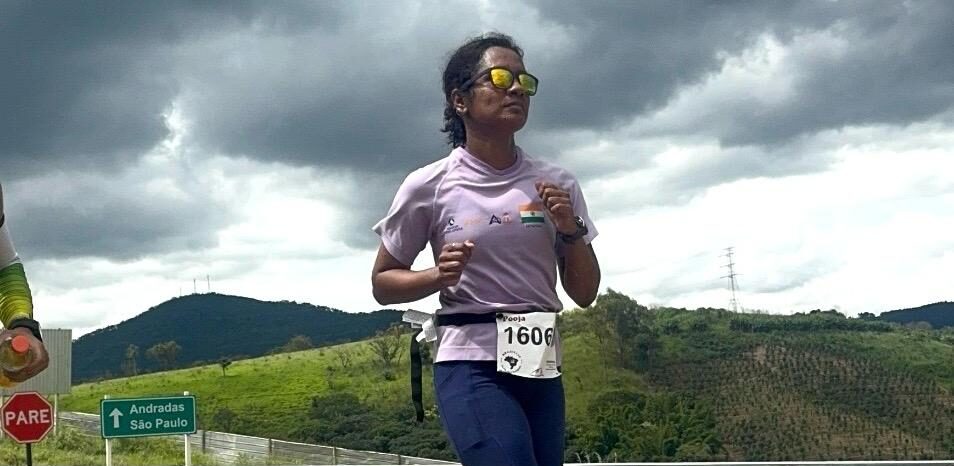
Miles, mountains, and a mind that does not quit—Pooja Krishnamoorthy is India’s quiet force of endurance
Conviction often reveals itself quietly—not in grand declarations, but in the steady resolve to keep going when the path is uncertain, demanding, and deeply personal. Pooja Krishnamoorthy’s journey as an Indian endurance runner is one such story. It is not merely about distance covered or races finished, but about perseverance, choice, and the courage to honour one’s inner calling while navigating multiple identities with grace.
Pooja’s achievements across some of the world’s toughest terrains carry with them a quiet pride for India, and an even more powerful message for women everywhere: you do not need permission, perfect plans, or complete certainty to begin. You only need the willingness to take the first step.
In this candid conversation with Khushi Priya of CauseBecause, Pooja reflects on her journey—from mountaineering to ultrarunning, from doubt to self-belief—while sharing insights on passion, balance, support systems, and the subtle barriers women continue to face in endurance sport.
KP: Let us start with you telling us about yourself and the journey that has shaped you so far.
PK: I didn’t come into running with a plan to become an ultrarunner. I started because I’ve always been drawn to the outdoors and long, demanding journeys. Before running, I was a mountaineer. Running entered my life when work made it harder to take long breaks, and over time it became my way of staying connected to that sense of endurance.
The journey since then has been very organic—there’s been a lot of learning, a lot of doubt, and slowly, a discovery that I’m capable of more than I often believe. Each race, including Brazil 135, has shaped me not just as an athlete, but as a person—teaching me how to see difficult things through.
“You don’t have to have everything figured out before you begin. Every journey starts imperfectly and grows with time.”
KP: What inspired you to begin this journey, and what has kept you going over the years?
PK: Honestly, this all happened a bit by accident. I come from a mountaineering background, and the mountains were always my second home. When work started taking over and long breaks weren’t possible anymore, running sort of became a substitute. What began as a practical choice slowly grew into something deeper. Then Badwater happened, ultras entered my life, and everything shifted. Since then, I’ve never really stopped.
KP: Who has been your biggest source of support during this phase of your life?
PK: It’s definitely not one person alone. It’s held together by a small, steady, and solid support system. My family has never questioned any of it. Friends who have always shown up in ways that really matter. And my coach—my constant anchor—whose belief I keep borrowing on the hard days.
KP: At what point did you realise that running was more than fitness and had become a passion for you?
PK: I think I realised it when I stopped treating runs as workouts and started feeling like something I genuinely wanted.
KP: What societal barriers have you faced as a woman in endurance sport that male athletes may not encounter?
PK: Most of it has been subtle—more questions, more doubts, and a constant expectation to explain or justify choices.
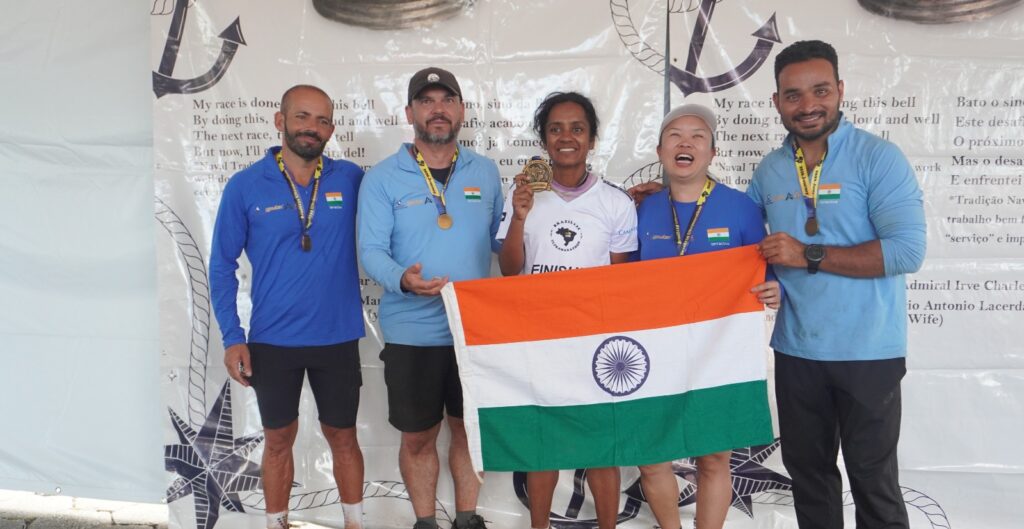
KP: How would you describe your experience in Brazil, and which moments from that journey stand out most for you?
PK: Brazil was both beautiful and demanding. The mountains, the extreme climbs and descents—that all stays with me. But what truly stood out was my crew. I honestly don’t think I could have asked for a better one. They constantly made sure I was okay, smiling, and taken care of. That included my coach, Adil Mirza, and three incredible crew members from Brazil—Mareceu, Angela, and Valter. They became my little family.
KP: What does qualifying for or finishing Brazil 135 represent for you beyond medals, records, or recognition?
PK: This never started as setting a record or seeking recognition. It began simply as a challenge—the next big target. I had heard about Brazil 135, met people who had finished it, and together with my coach, it became something we decided to work towards.
Along the way, it became something more. It became about inspiring women to take that leap. If even one woman sees this and feels a little more confident about taking a step she’s been hesitant about, that would mean a lot to me.
KP: Are you involved in anything professionally beyond running, and do you ever find it challenging to balance multiple paths?
PK: Yes, I do have a professional life beyond running. I run my own production house and work in advertising, so running has always existed alongside a demanding work schedule. Running is only a part of who I am—it isn’t the only thing.
KP: What message would you like youngsters and women to take away from your journey?
PK: I don’t think there’s one big message. If anything, it’s that you don’t have to have everything figured out before you begin. Every journey starts imperfectly and grows with time.
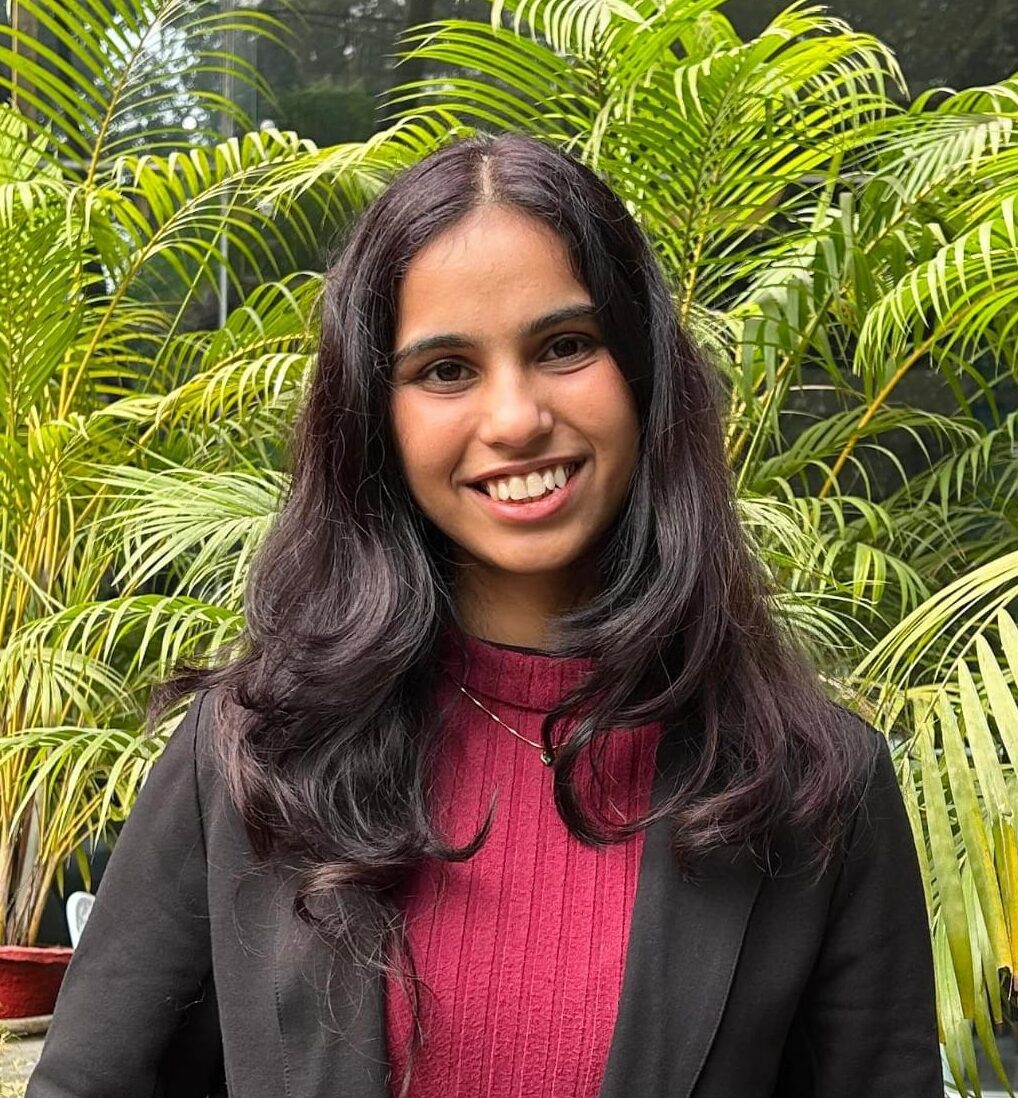
Khushi Priya is an aspiring journalist who enjoys creating stories that connect with people. With hands-on experience in reporting, content creation, event coverage, and editorial assistance, she has developed a strong understanding of research, writing, and communication. These experiences have helped her gain both on and off-camera confidence, along with a practical understanding of newsroom operations and field reporting.