Threads of Change: How Anokha Dhaaga Is Empowering Women Across India

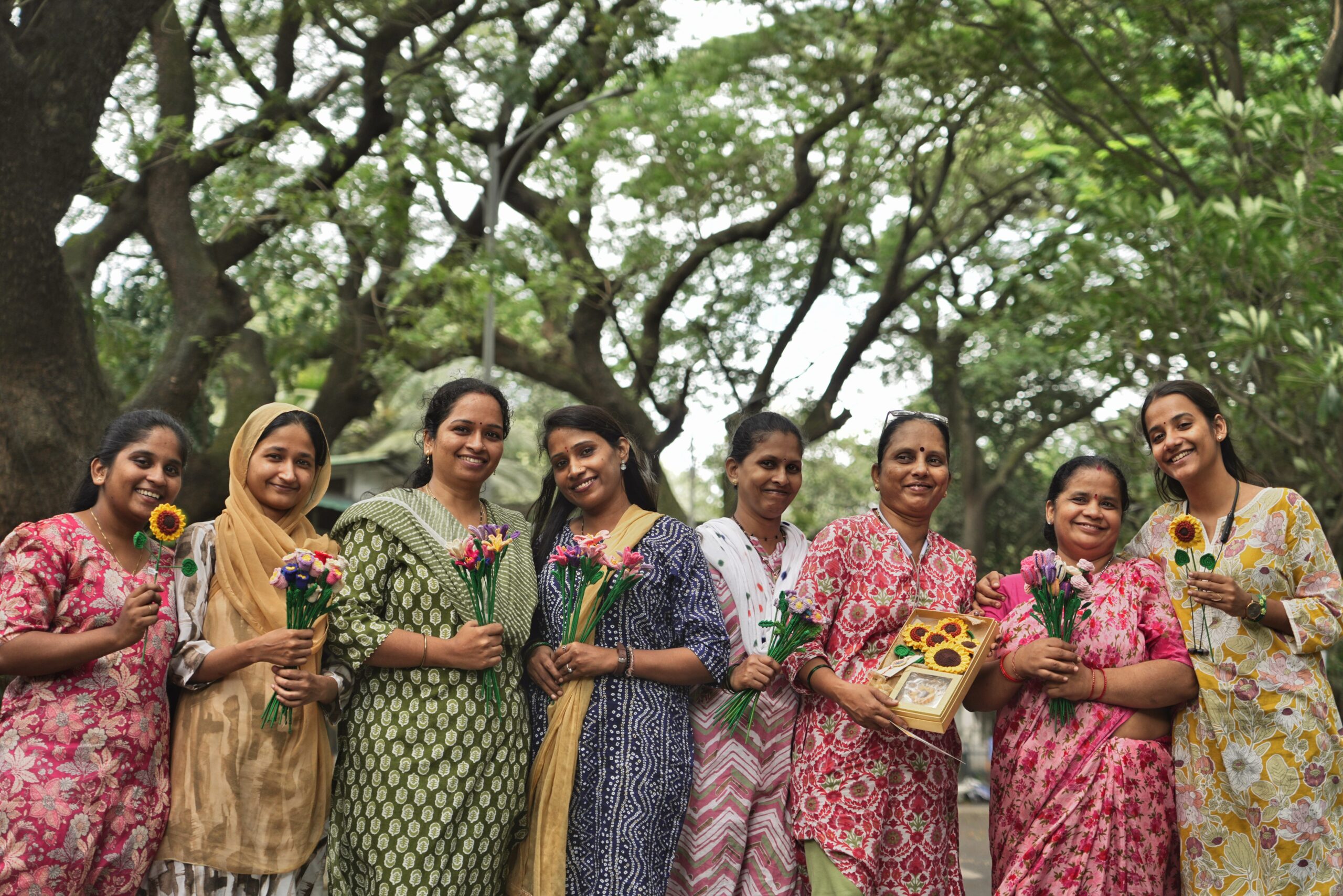
On the occasion of International Women’s Day, Tata Power is celebrating the journeys of women whose lives have been transformed through Anokha Dhaaga, a livelihood initiative designed to empower women from underserved communities. What began as a small stitching centre in Maval has today grown into a vibrant network of women collectives supporting each other in building sustainable livelihoods and stronger community leadership.
In Mumbai, the initiative connects a network of home-based artisans who contribute to production while managing their household responsibilities. Women receive skill training and production materials, allowing them to work flexibly from home while staying connected to a wider ecosystem for learning and income generation.
Over time, Anokha Dhaaga has expanded beyond stitching into areas such as embroidery, crafts, chocolates and cookies, home décor products and other handcrafted items. Women are trained across the entire value chain — from design and sampling to production, packaging, pricing and market engagement — enabling them to participate more confidently in income-generating opportunities. The programme also provides financial support for needs such as education, healthcare and small enterprise development, helping women build long-term economic resilience.
Strong market linkages and industry exposure have played a key role in the initiative’s growth. Through partnerships with organisations including Trent, TajSATS, Tata Sons, Amazon, HDFC Bank and ICICI Lombard, women from Anokha Dhaaga contribute to large corporate orders and gifting requirements.
The initiative has also supported major events such as the Tata Mumbai Marathon, where women produced haversack bags made from recycled plastic for runners, and the Westside Wellness Run, creating customised upcycled tiaras and merchandise celebrating women’s empowerment.
Continuous learning remains central to the programme. Through masterclasses and an online learning management system, participants upgrade their skills while exploring design thinking, product development and innovation. Women from Anokha Dhaaga centres also participated in the India AI Impact Summit in Delhi, where they joined the Tata AI Sakhi Immersion Programme and gained hands-on exposure to AI tools for design and product ideation.
A spokesperson from Tata Power noted that empowerment goes beyond livelihood creation. The initiative focuses on building an ecosystem where women gain confidence, develop skills and grow together through collective support.
The impact of Anokha Dhaaga is best reflected in the journeys of its participants. Shabnam Shaikh joined the programme looking for stable work and has since developed skills in embroidery, stitching and painting. Today, she not only works as an artisan but also trains other women, travelling to cities such as Nagpur and locations in Gujarat to share her expertise.
Similarly, Anjali Bai began her journey at the Chembur centre during the pandemic, when women came together to produce masks to support their families. Today, she travels to Bhivpuri and Dharampur to train other women in bag and garment making while supporting her daughter’s education.
Since its beginnings in 2016 with just ten women in Maval, Anokha Dhaaga has grown into a nationwide network connecting more than 30,000 women across 25 centres in nine states. The initiative also supports women-led MSMEs and collectives that contribute to its growing ecosystem.
Today, Anokha Dhaaga stands as a powerful example of collective strength — where women support one another while building pathways toward financial independence and social empowerment.