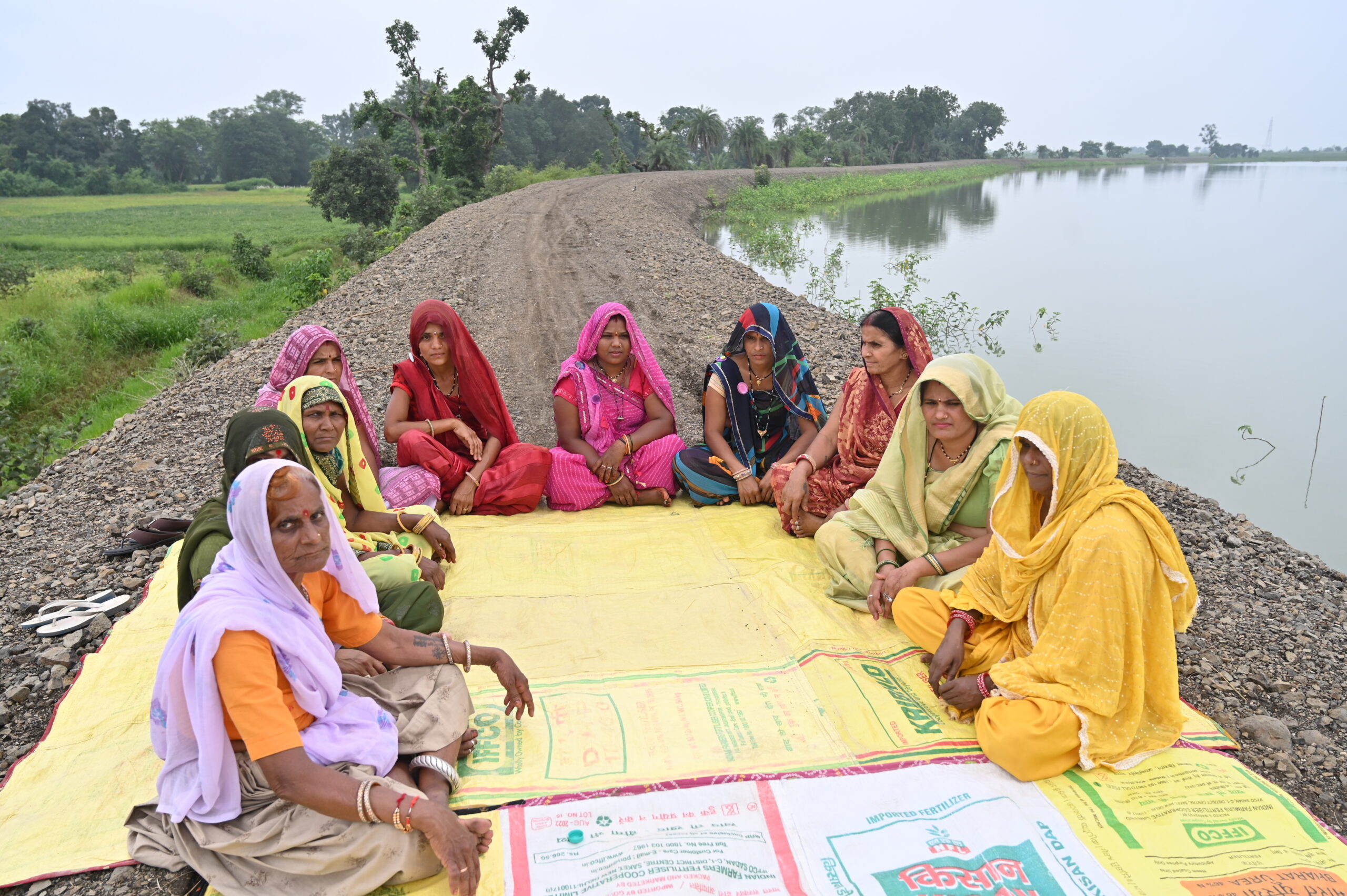
In Molga village in Sehore, about an hour and a half from Bhopal, a once dry six acre lake now supports thriving soybean fields. What was once barren land has been transformed into a reliable source of water and livelihoods.
This change has been driven by ITC Limited’s integrated water stewardship programme, centred on community led Water User Groups. These groups bring farmers together to restore water bodies, manage resources collectively, and adopt climate resilient agricultural practices. With over 5,800 such groups across India, the model has enabled decentralised and sustainable water governance.
A defining feature of this approach is the strong participation of women. From managing water distribution to maintaining infrastructure like ponds, canals, and check dams, women are now at the forefront of decision making. Their involvement has also ensured more equitable access to water, especially for marginalised households, aligning with the message of World Water Day 2026 on the link between water and gender.
Women are also driving demand side efficiency. Through initiatives like the Krishi Sakhi programme, they are trained in micro irrigation methods such as drip and sprinkler systems, promoting the idea of more crop per drop. Today, nearly 2 lakh women farmers are part of this ecosystem, strengthening both productivity and water conservation.
The scale of impact is significant. ITC’s watershed initiatives have covered over 1.89 million acres, benefiting more than 5 lakh people across 17 states, while enabling substantial water savings.
Beyond conservation, the initiative has reduced the burden of long distance water collection, giving women more time to pursue livelihoods and education. As Molga shows, when communities lead and women are at the centre, water becomes a pathway to resilience, equity, and lasting change.