In Villages Where Mental Health Is Rarely Discussed, the LiveLoveLaugh Foundation and Bisleri Are Starting the Conversation
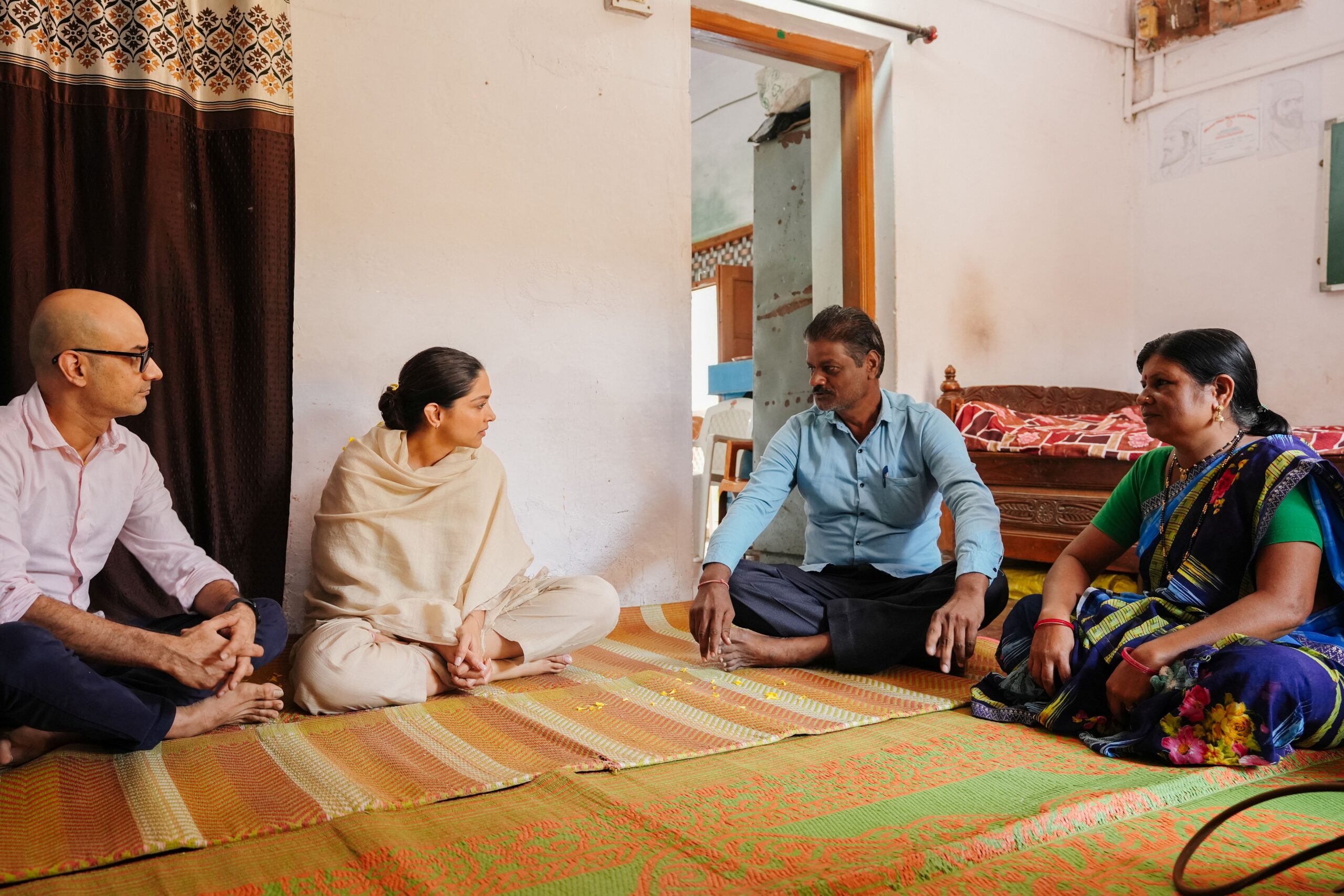
In many parts of rural India, struggles with mental health rarely make it to the doctor’s desk. For many, such struggles linger at home, unnamed, often misunderstood, and quietly endured. Which is why a partnership between The Live Love Laugh Foundation and Bisleri International, now underway near Chhindwara in Madhya Pradesh, feels both timely and telling.
Started in January 2023, TLLLF is working across 60 villages in the Sausar block of Pandhurna district. In the coming weeks, the project will begin in Bicchua block of adjacent Chhindwara district, where it is expected to cover 42 more villages. The project has reached out to over 1,500 people living with mental illness across 134 villages in Sausar block so far.
Speaking about the CSR partnership, Ms Jayanti Chauhan, Vice Chairperson, Bisleri International, said: “At Bisleri, we believe that enduring change is rooted in empowering communities with the awareness and resources to shape their own futures. Mental health, though integral to overall well-being, continues to remain under-recognised, particularly in rural India. We are proud to support The Live Love Laugh Foundation’s work in Chhindwara, and hope this initiative fosters greater understanding, accessibility, and a more compassionate ecosystem of care within the community.”
Deepika Padukone, Founder of The Live Love Laugh Foundation, added: “Since its inception, The Live Love Laugh Foundation has been committed to creating awareness about the importance of mental health as well as improving accessibility and affordability of mental healthcare across the country. Our rural programme is an important part of that effort. We are pleased to have Bisleri International join us in strengthening our work in Chhindwara. Their support enables us to scale the programme and move closer to our goal of building a sustainable, community-led mental health system.”
As part of the initiative, TLLLF has organised multiple awareness camps, reaching over 1,500 people in the Sausar block. It has also built local caregiver groups to ensure that people living with mental illness have access to support within their own communities, especially during emergencies.
A specific initiative led by corporates and foundations and active since 2016, the “Dobara Poocho” campaign, shows that awareness, when done right, can make a difference. It highlights a simple but important point that “conversations around mental health can shift, and people do respond.” But a larger question remains: can the rest of corporate India’s CSR efforts create the same kind of impact? One of the biggest challenges with CSR-backed programmes is not starting them, but scaling them meaningfully. As one phase ends and another begins, the focus shifts to what can be carried forward and how the lessons learned can continue to grow instead of fading after initial success.
While corporate-led mental health initiatives are not new, few have shown consistent impact across regions. Programmes like Dobara Poocho, co-founded by Deepika Padukone, have reached over 30,000 individuals through rural mental health efforts in multiple states. The challenge now is continuity. “Can such initiatives maintain the same level of impact as they expand?” “Can they move beyond short-term success to become self-sustaining systems?” At the heart of it lies a difficult balance. It is about “creating deep, meaningful change within a limited timeframe” while ensuring these efforts align with public healthcare systems and continue independently. In the end, real success may not lie in how far an initiative spreads, but in “how well it lasts.”