SBI Foundation and AROH Foundation’s Water Conservation and Plantation Initiatives in Rural India
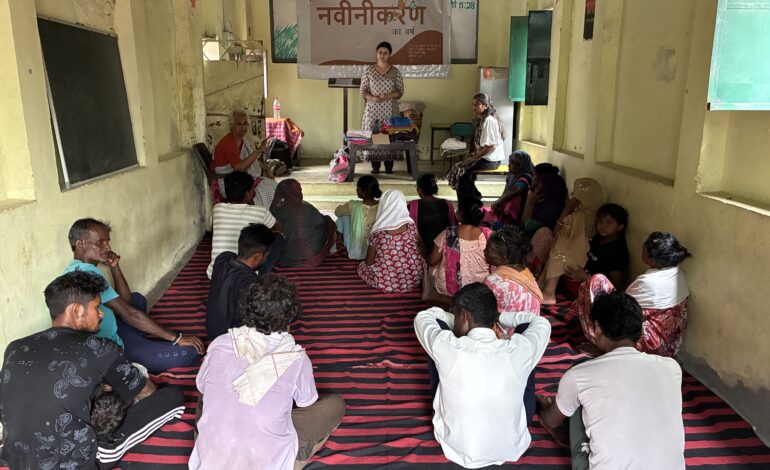
Since 2017, the SBI Gram Seva Project has been a flagship programme for holistic rural development under the CSR umbrella of the SBI Foundation and its partner, the AROH Foundation. A series of impactful environmental conservation initiatives have recently been implemented under this project at locations in Uttar Pradesh, Punjab, and Sikkim. These interventions, focused on water conservation, groundwater recharge, afforestation, sanitation, and community participation, are creating long-term environmental and social benefits for rural communities.
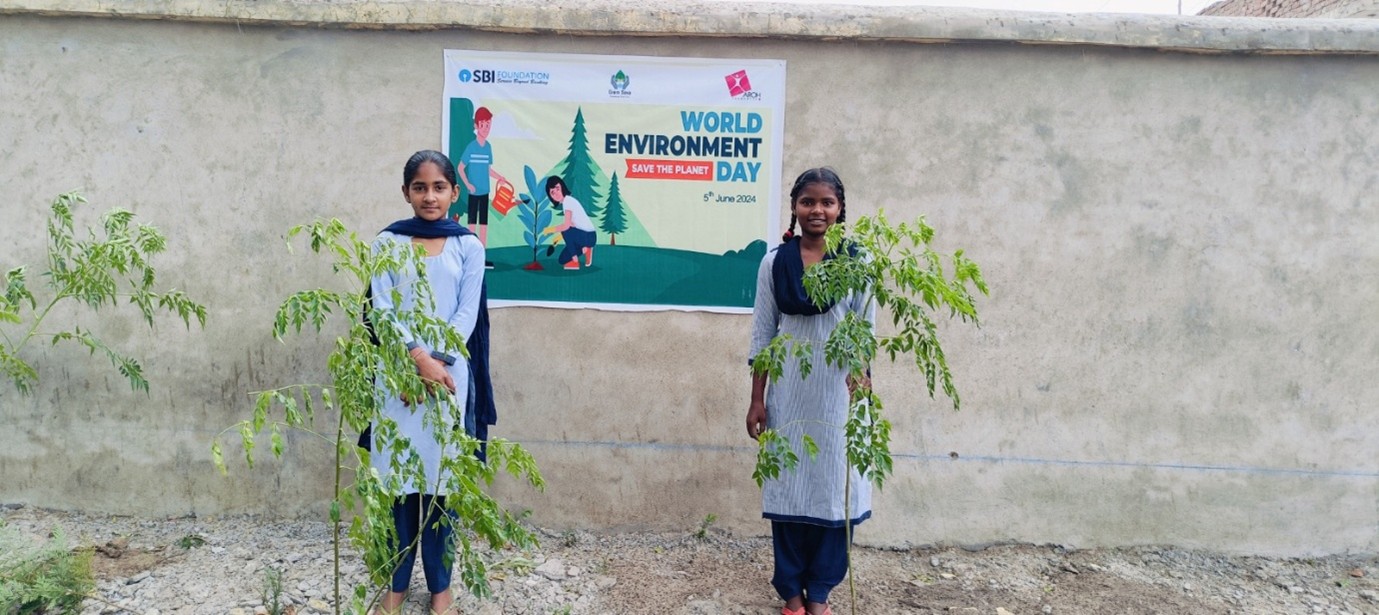
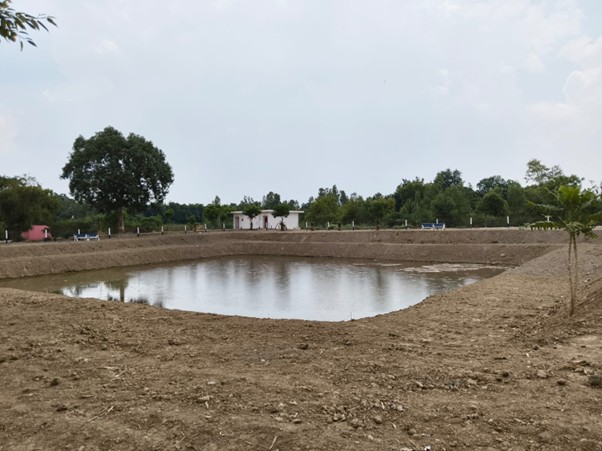
In Hardoi, Uttar Pradesh, a tree plantation drive was organized at the pond premises near Shiv Jangleshwar Temple in Gram Panchayat Mahmadapur on the occasion of World Environment Day, involving community members, local leaders, and project stakeholders. Meanwhile, in Punjab, a total of 21 rainwater harvesting pits were constructed in the villages of Issa Panjgrain, Rana Panjgrain, Guddar Panjgrain, Chak Panje Ke, and Nau Behram Sher Singh Wala; these will help to enhance groundwater recharge and improve water availability and management in these villages.
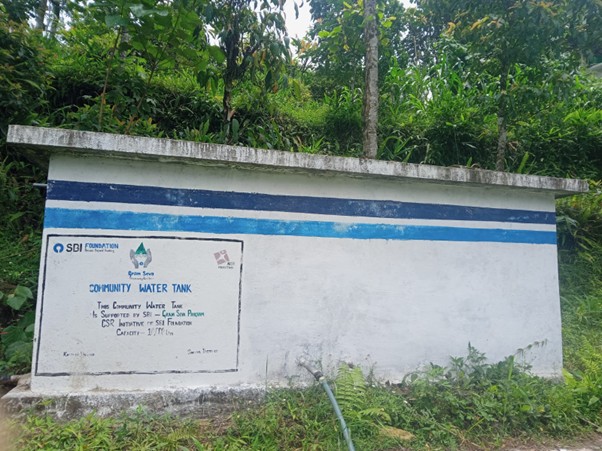
In keeping with the integrated approach of the Gram Seva Project, these initiatives aim to lead from village-focused water conservation and sanitation to broader environmental restoration in rural areas. In the hilly terrain of Soreng district, Sikkim, it is precisely such a comprehensive programme that has been transforming lives across the villages of Karthok, Malbasey, Singling, Budang, and Mangsari. The initiative includes the construction of 42 soak pits, helping rainwater percolate back into the ground and recharge groundwater. Additional infrastructure such as composite waste management pits, a biomedical waste sharps pit, and two 10,000-litre water storage tanks have strengthened sanitation and water security for local communities. The project has also restored irrigation canals to supply water for agriculture, and constructed check dams to help prevent soil erosion, improve water retention, and so enhance groundwater levels.
Tree plantation drives were also held at all of these locations; a total of 1,341 saplings were planted. Mr. Swapan Dhar, MD and CEO of the SBI Foundation, spoke on the occasion and emphasized that environmental conservation, sustainable water management, afforestation, and community-led development remain key focus areas of the Foundation’s project. These interventions highlight how lasting impact and sustainability can be achieved through community-driven efforts, supported by robust infrastructure and environmental stewardship. Many a sapling is planted every 5th of June – but they must be watered, the soil they are planted in must be kept fertile, much more must be done. The model of rural development offered through the SBI Gram Seva Project can help to build sustainability and effect environmental conservation in many more rural communities across India.