At Delhi Summit, BRICS Nations Commit to Climate Finance, Forest Protection and Clean Water Goals
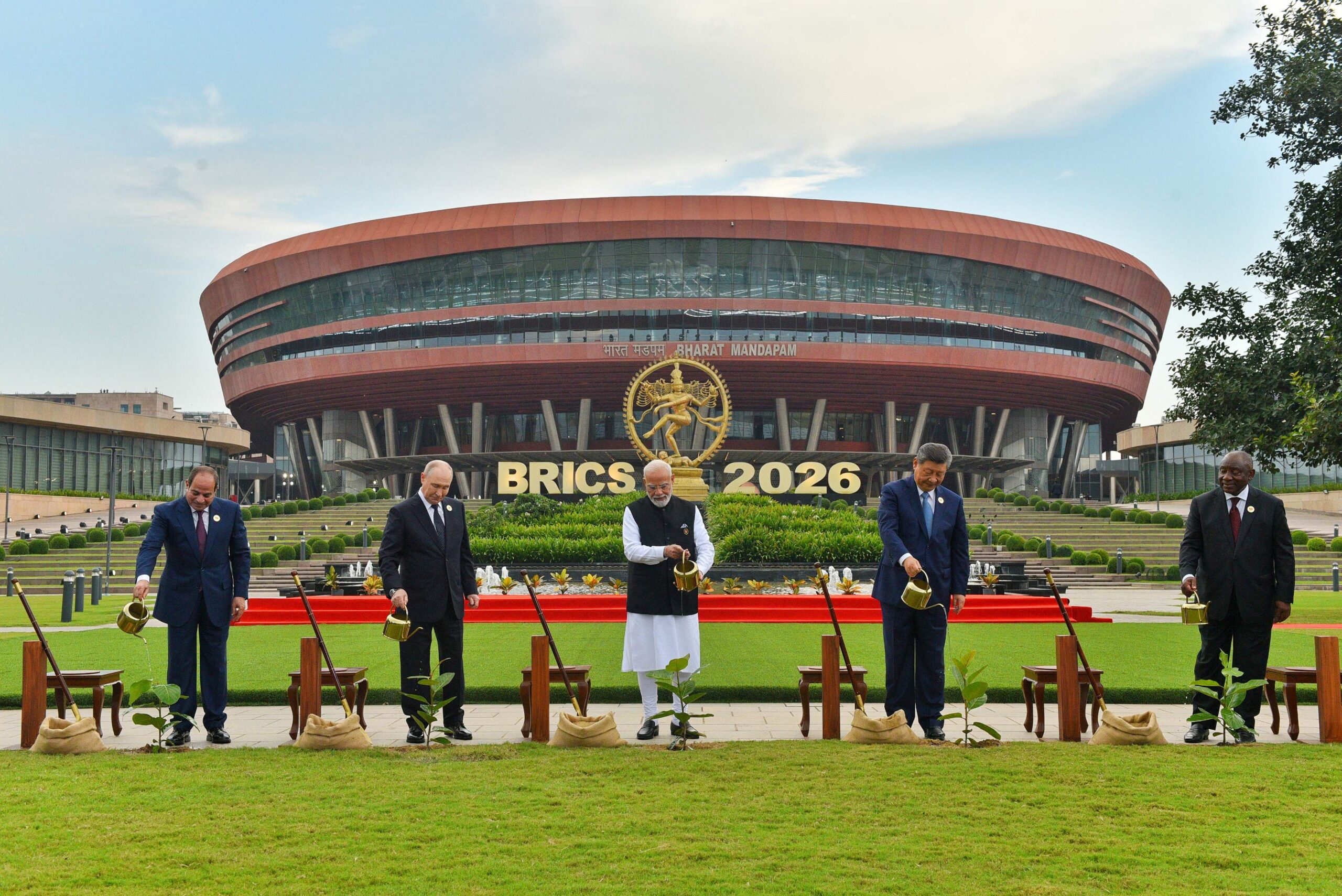
On September 12, 2026, leaders from Brazil, Russia, India, China, South Africa and several other nations sat down together in New Delhi. They call themselves BRICS. Over two days, they signed a long document called the New Delhi Declaration. Most of it reads like typical government language — formal, careful, full of long sentences. But tucked inside all that text is a simple idea: the Earth needs help, and these countries want to work together to give it.
Here’s what that actually means, in plain terms.
The leaders said they will stick with the Paris Agreement, the global deal to slow down climate change. They talked about helping poorer countries pay for climate projects, since many of these nations are already struggling with heavy debt. They also pushed back against certain trade rules, like carbon taxes on imports, saying these unfairly punish developing countries trying to grow their economies. One line stood out: rich countries have promised money and technology to help poorer nations adapt to climate change for years. BRICS leaders said that promise needs to actually show up now.
Forests got real attention too. The leaders backed a new fund called the Tropical Forest Forever Facility, launched earlier this year in Brazil. Its job is to pay countries for keeping their forests standing instead of cutting them down. They also mentioned mangroves, the coastal trees that protect shorelines from storms, and pledged support for restoring damaged land. There was a smaller, more surprising detail too: a mention of India’s push to protect big cats — tigers, lions, leopards, and more — through something called the International Big Cats Alliance. The other BRICS nations agreed to work on this together.
Clean water is getting harder to find in many parts of the world. The declaration pointed to a United Nations water conference happening in December in Abu Dhabi and said BRICS countries want to speed up progress on getting clean water to everyone. On trash, the leaders admitted a hard truth: cities are producing more waste every year, and current systems aren’t keeping up. They talked about making companies responsible for the waste their products create, something called Extended Producer Responsibility. In simple terms, if a company makes packaging, it should help clean it up too.
Food security showed up again and again. BRICS countries grow a lot of the world’s food, so they proposed building a shared platform for trading grain, plus a network to swap seeds and farming knowledge. They also promised to support small farmers, herders, and fishers — the people actually growing and catching what ends up on our plates.
The leaders didn’t promise to quit fossil fuels anytime soon. They were honest about that. Instead, they talked about a “just and orderly” shift toward cleaner energy, meaning one that doesn’t leave workers or poorer nations behind. There was real excitement about hydrogen power, smart electric grids, and using space satellites to track environmental problems from above.
Floods, heatwaves, and storms are hitting harder these days. The declaration backed better early-warning systems and city planning built to survive climate shocks. It also nodded to the Coalition for Disaster Resilient Infrastructure, a group that helps countries build roads, bridges, and buildings that can take a hit and keep standing.
None of this happens without funding. The leaders leaned on the New Development Bank, a bank the BRICS countries built themselves, to keep funding sustainable projects across poorer nations. They also floated new ideas, like insurance systems to help countries recover faster after climate disasters, and ways to make green projects easier to invest in.
A declaration like this doesn’t force any country to do anything. It’s a statement of intent, not a law. But it does show where these five major economies — soon joined by even more countries — say they want to head next: toward saving forests, feeding people without draining the land, and building cities and energy systems that can survive a rougher climate. Whether the follow-through matches the promises is the part the world will be watching over the next year, as China prepares to host the next BRICS summit in 2027.