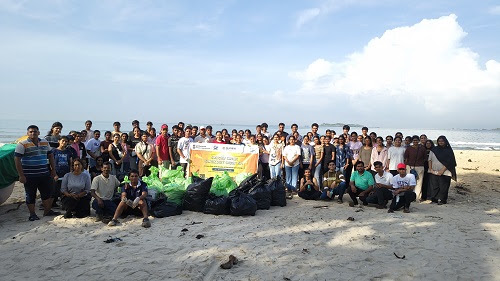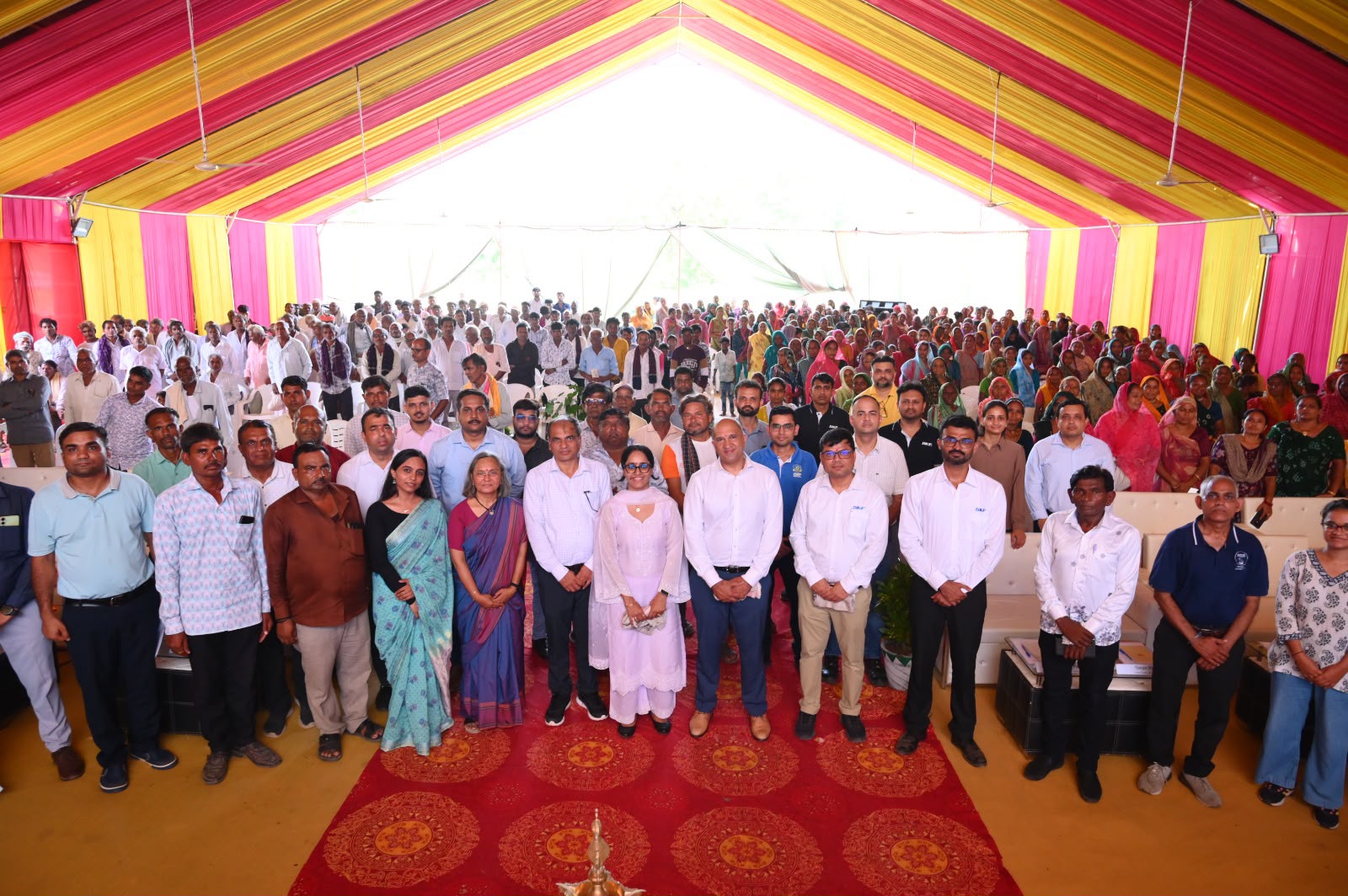
Gram Unnati will work across five villages in Gujarat’s Bavla block, combining water security, renewable energy, livelihoods, education and ecological restoration under a three-year rural development programme.
A rural development programme in Gujarat is taking an integrated approach to some of the challenges that often shape village life: water availability, access to energy, livelihoods, education and local infrastructure.
SKF India (Industrial) Limited has launched Gram Unnati, a three-year Integrated Village Development Programme in partnership with Ambuja Foundation. The initiative will cover five villages in Bavla block of Ahmedabad district—Baldana, Dahengamda, Kochariya, Bhayla and Zekda.
According to SKF, the programme was developed following a needs assessment covering more than 1,200 households. It identifies water scarcity, limited livelihood opportunities, inadequate infrastructure and dependence on conventional energy sources among the challenges facing the communities.
Rather than addressing these areas separately, the programme brings them together under a single development plan. Over the next three years, it aims to harvest more than 500,000 cubic metres of water, create more than 1 MW of renewable energy capacity and plant 10,000 indigenous trees. The programme also aims to expand livelihood opportunities for more than 1,000 households.
Water is one of its central components. The programme will use watershed development projects and drinking-water solutions to improve local water availability. This is accompanied by afforestation and ecosystem restoration efforts, linking water management with the condition of surrounding land.
Energy forms another part of the programme, with solar and biogas systems planned across the participating villages. The approach reflects an attempt to connect access to energy with broader rural development rather than treating renewable energy as a standalone intervention.
Livelihoods are also built into the model. The programme plans to support women-led entrepreneurship, vocational skilling and farmer collectivisation, alongside initiatives intended to improve education. These interventions are aimed at creating additional economic opportunities while strengthening existing community-based activities.
The emphasis on community participation is also part of the programme’s stated design. Ambuja Foundation says the initiative will seek to strengthen community institutions and local ownership, with the intention that residents play a role in managing and sustaining the interventions.
The programme also sits alongside Gujarat’s expanding Van Kavach model under the Hariyali Lok Sabha initiative, which, according to the release, aims to cover 82 sites spanning 600 hectares across Ahmedabad and Gandhinagar this year.
For SKF and Ambuja Foundation, Gram Unnati is being presented as a model that could be applied beyond the five villages involved in the initial programme. Whether it becomes a scalable model will depend on how effectively the interventions perform over the three-year period and how much local ownership continues after the programme’s implementation phase.
For now, the initiative offers another example of how corporate-backed rural development programmes are increasingly bringing environmental and economic concerns into the same framework. In Bavla, that means treating water, energy, livelihoods, education and ecological restoration not as separate projects, but as interconnected parts of village development.