In Jharkhand, a Rural Woman’s Monthly Income Is Helping Fund Her Children’s Education through Adani Foundation’s initiative
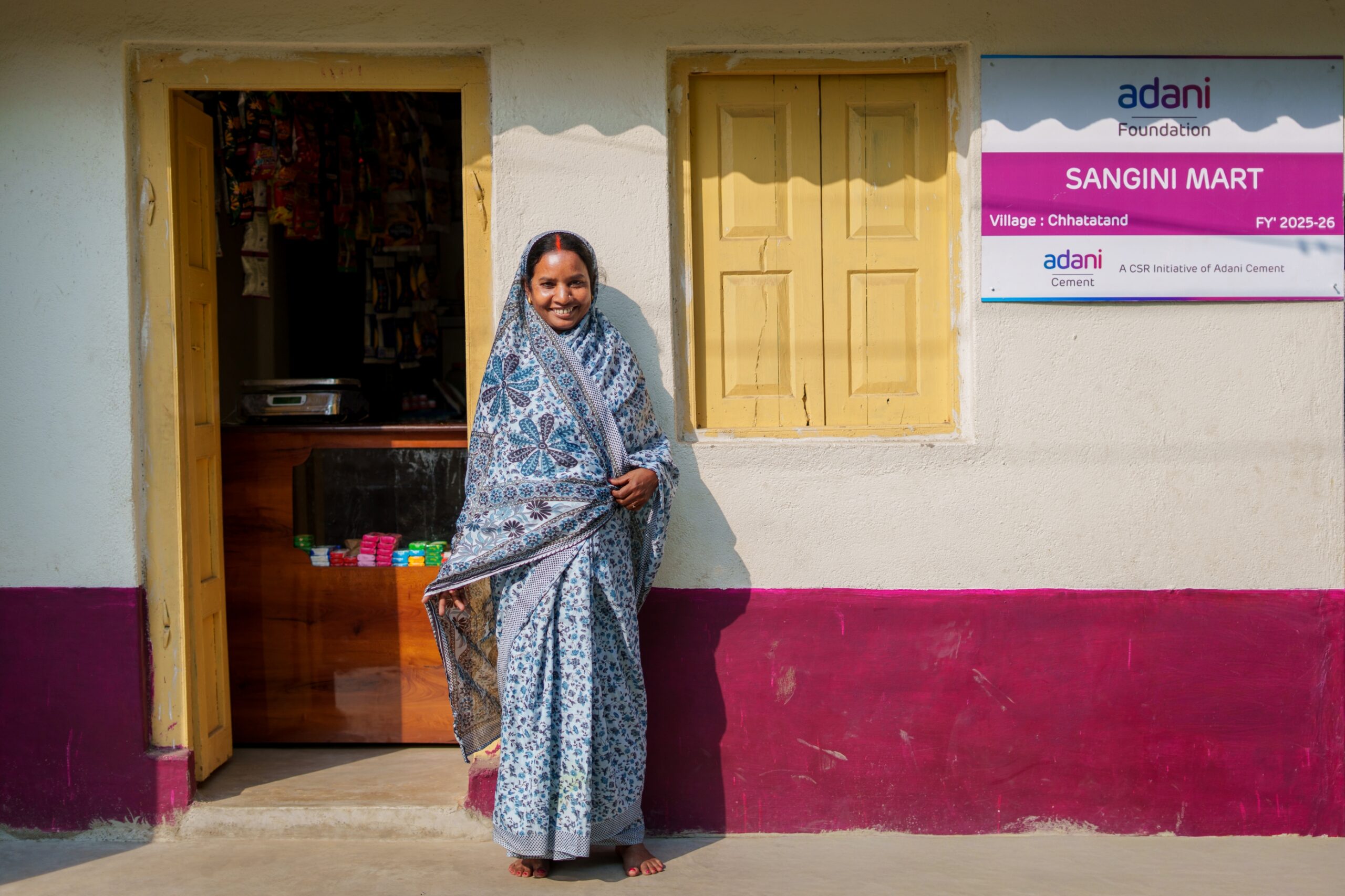
Through the Sangini Mart initiative, ACC and the Adani Foundation supported Nishu Devi of Chhatatand village in building a source of income that supplements her family’s agricultural earnings.
For Nishu Devi, a 45-year-old resident of Chhatatand village in Jharkhand, household finances were a persistent concern. Her husband’s income from small-scale farming was limited, and meeting everyday expenses while investing in the education of their four children was a challenge.
Support through the Sangini Mart initiative, run by the Adani Foundation in association with ACC, has helped her establish a source of income of her own. She now earns between ?7,000 and ?8,000 a month, according to the organisations.
The additional income has helped the family manage its finances and support the higher education of their children. It has also reduced the household’s dependence on earnings from small-scale farming, which the foundation’s account describes as uncertain.
The initiative forms part of ACC and the Adani Foundation’s livelihood support efforts in Sindri. Through Sangini Mart, the organisations aim to help women build more stable livelihoods, although the press release does not detail the specific business activities Nishu undertakes, the financial support provided to her or the duration of the assistance.
Her experience highlights how an additional source of household income can affect decisions beyond immediate consumption. For families managing limited resources, the ability to contribute towards education can be an important part of financial stability.
However, one individual’s experience does not establish the wider impact of a livelihood programme. The release does not provide figures on how many women have participated in Sangini Mart, how many have established businesses or whether participants have seen similar changes in income.
For such initiatives, the longer-term measure of success will be whether women can sustain their earnings, exercise greater control over household finances and continue to invest in their families’ futures beyond the period of programme support.