From One Village in Punjab to 11 States: CNH Marks a Decade of Crop Residue Management
As farmers in northern India move from harvesting paddy to preparing fields for wheat, they face a narrow window to clear crop residue and sow the next crop. Burning leftover straw has become one way of managing this time pressure, but the smoke contributes to seasonal air pollution. Finding practical alternatives requires more than awareness: farmers need access to suitable machinery, timely repairs and viable ways to use the collected residue.
CNH, an agricultural and construction equipment manufacturer, has marked a decade of its crop residue management initiative, which began in Kallar Majri village in Punjab and has since expanded to 25 locations across 11 states. The company has also announced a new parts warehouse in Ludhiana to strengthen support for farmers in Punjab and Haryana.
From a Village Initiative to a National Programme
Launched in October 2017, the initiative began in Kallar Majri and was subsequently brought under CNH’s broader Sustainable Environment Solution (SES) programme. According to the company, the village has maintained its zero-stubble-burning status for 10 consecutive years.
Since then, the programme has expanded to locations across states including Punjab, Haryana, Uttar Pradesh, Madhya Pradesh, Bihar, Chhattisgarh, Maharashtra and Uttarakhand, as well as parts of Karnataka, Andhra Pradesh and Tamil Nadu.
CNH reports that approximately 60,000 tonnes of paddy straw have been baled since the programme began. The company estimates that the initiative has helped prevent residue burning across nearly 39,900 acres of land and benefited more than 7,500 farmers. It also estimates that around 97,000 tonnes of CO? emissions have been avoided, with between 16,000 and 20,000 family members and villagers benefiting indirectly.
These figures indicate the programme’s reported reach, although the company’s release does not explain how the emissions savings were calculated, how much of the collected straw was ultimately put to use, or how results varied across locations.
Farmer awareness has also been part of the effort. CNH says between 3,000 and 4,000 farmers have attended demonstrations across the programme’s 25 locations, where they were introduced to alternative methods of straw management.
Why Machinery and Timely Service Matter
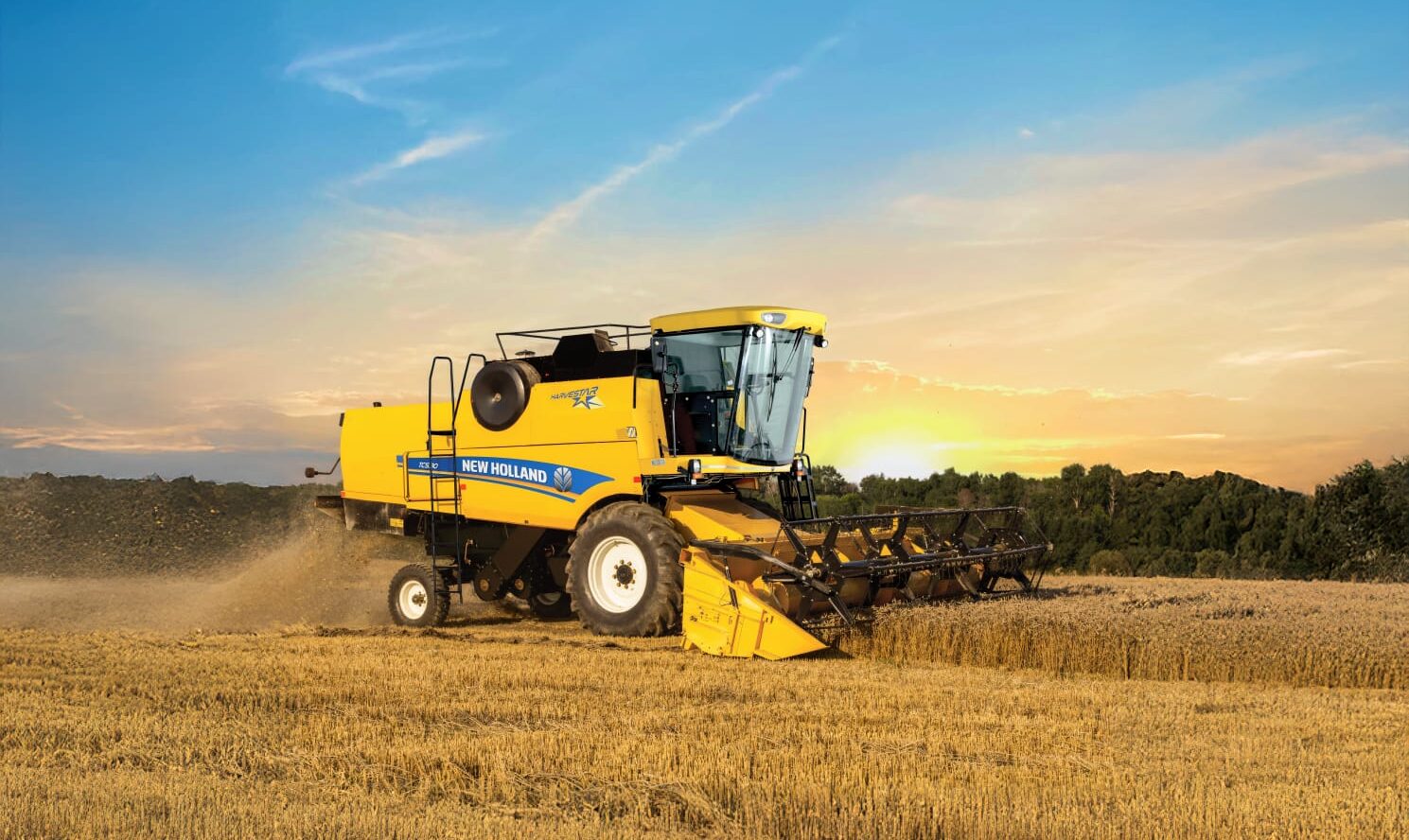
CNH’s approach centres on mechanisation. Its crop residue management range includes New Holland tractors, combine harvesters, square and round balers, gyro rakes, mulchers, choppers and forage harvesters. The company says New Holland pioneered crop residue baling in India and has been operating in the country since 1998.
Balers compress loose straw into manageable bundles, making it easier to collect and transport. This can provide an alternative to burning, provided farmers have access to the equipment and there are suitable ways to use the collected material.
That second part is important. Crop residue can be treated as a resource rather than waste when there are systems to collect, transport and process it. Compressed biogas (CBG) plants are among the potential destinations for agricultural residue, where suitable feedstock and processing arrangements exist. CNH says its baler range supports India’s CBG plants, although the press release does not specify the plants served or the volume of straw supplied to them.
For farmers, access to machinery is only one part of the challenge. The equipment must be available when fields need clearing, and breakdowns during the short gap between paddy harvesting and wheat sowing can disrupt the next crop cycle. Delays in obtaining spare parts can leave machinery idle when time is limited.
This is the problem CNH’s new Ludhiana warehouse aims to address.
A Warehouse for the Critical Harvest Window
The warehouse will focus on spare parts for CNH’s large tractors and balers, serving customers across Punjab and Haryana. According to the company, the facility will operate seven days a week and use a dedicated GPS-enabled transport fleet with real-time shipment tracking.
CNH says the system is designed to deliver parts to most customer locations within 24 hours, helping reduce waiting times and machinery downtime during critical farming periods.
The facility complements the company’s existing Indian network of more than 600 dealers and over 1,000 touchpoints. While the warehouse is an investment in CNH’s after-sales service, it also addresses a practical requirement for crop residue management: machinery must remain operational when farmers have limited time to prepare their fields.
What Comes After Collection?
CNH’s decade-long initiative illustrates that reducing stubble burning involves several connected factors: access to machinery, farmer awareness, dependable servicing and a destination for the collected straw. No single intervention can address the problem on its own.
The next question is how consistently these measures translate into long-term changes in farming practices. Data on the amount of residue collected and used, the number of villages sustaining zero-burning status, the costs borne by farmers and the programme’s outcomes over time would help establish its wider environmental and agricultural impact.
CNH’s figures suggest that the initiative has expanded considerably since its beginnings in Kallar Majri. But the success of alternatives to burning ultimately depends on whether farmers can adopt them within the realities of the cropping calendar and whether the collected residue has a viable end use.
As the programme enters its second decade, the combination of mechanisation, service support and potential links to residue-consuming industries such as CBG plants points to an important part of the solution: making crop residue management practical for farmers, not just encouraging them to change their practices.