The Bamboo Bae’s Sustainability Story
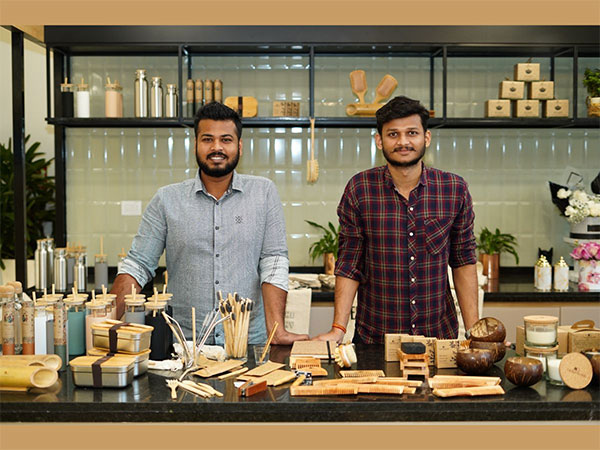
Sustainability touches many aspects of our lifestyles and culture, and one is the materials we handle and use from day to day. Renewable materials, rare only some decades ago, are gradually replacing plastics in many articles and applications. We take a look at The Bamboo Bae, a company that has chosen bamboo as their focal material to strike a balance between sustainability and practicability. Founded in 2020 by Anuj Sagar and Sanchit Goyal, they have pioneered the use of plastic-free amenities at a global hospitality scale, while preserving a consistent focus on sustainable use and impact. They work with rural artisans towards innovation in bamboo and other natural materials, and manufacture eco-friendly products.
On a trip to Northeast India, the founders were astounded by the utility of bamboo as a traditional renewable material. Local communities use bamboo not as a niche material, but as a green alternative in many activities and articles of everyday use. But, even in these communities, the prevalence of single-use plastics stood out to them. Traditional wisdom and practice prove the value of bamboo; modern knowledge and processes are still critical for the widespread and impactful adoption of this and other miracle materials that can be found in nature and even our own backyards. They sought to make such materials viable and sustainable at scale.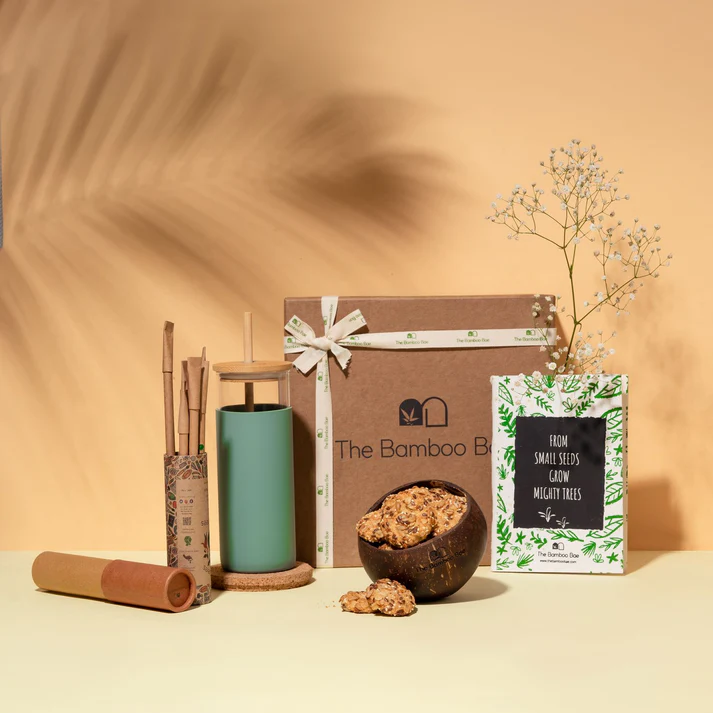 Starting out with only 3 bamboo essentials, The Bamboo Bae has developed a range of over 200 lifestyle products crafted from bamboo and other sustainable alternatives like cork, coconut, and neem. These products include toothbrushes, safety razors, mugs, daily essentials, furniture, and home décor. The company has popularised these products in the hospitality sector; this has resulted in over 300 hotels swapping plastic for bamboo. Hospitality and corporate partners have been the focus of the company, since major brands are steadily shifting to eco-friendly alternatives in their operations under regulatory and consumer pressure. Some of their major clients are Maruti, Samsung, Mahindra, Taj Hotels and The Leela Group. A global expansion is also underway, having started in the UAE in 2024.
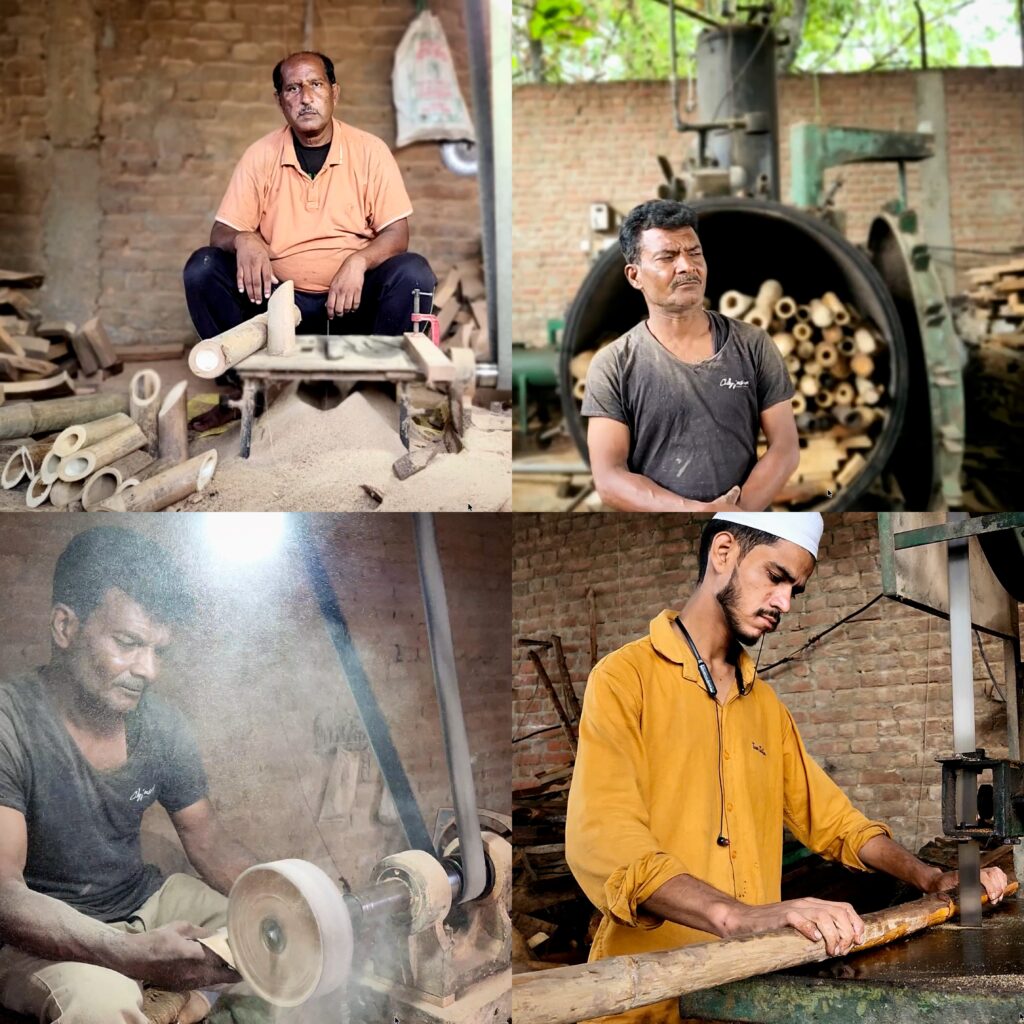 In their work with bamboo as a renewable material, the company has built relationships with artisans and their communities. Traditions of artisanship all over India include knowhow and experience that can be deployed in eco-friendly solutions. This knowhow is rooted in communities; often, livelihoods depend tenuously on the preservation of skills that would be constrained in a modern factory. Recognising this, The Bamboo Bae has bridged a grassroots family network covering over 150 rural master artisans, and within which more than 50 green jobs have been created. Their skills and knowledge are not just preserved but incorporated into modern eco-design, resulting in innovative yet traditionally-founded products like the company’s handcrafted bamboo mobile sound amplifiers.
All through, sustainability has remained the cornerstone of the company. Their experience thus far points to a need to synchronise the needs of sustainability with efficient execution. It has built a plastic-free hospitality amenity supply chain completely from scratch to support the complexities that come with the alternative material. These often lack consistency and mass scalability; bamboo varies in size, shape, and moisture levels, and so the methods used for working on it must be tailored with the aid of artisanal knowledge.
Even eco-friendly manufacturing can fall into the trap of ‘greenwashing’: sustainability is more often marketed and promoted more than usefully practised. The impact of bamboo here has to be assessed at every step of the production process. The Bamboo Bae’s self-assessment claims that it prevents 31.93 tonnes of plastic waste from entering landfills and ecosystems every single month. This is equivalent to keeping 2.66 million plastic bottles out of circulation or replacing approximately 1 million plastic toothbrushes monthly. In terms of carbon footprint, their operational model prevents the release of 1,337-1,341 tonnes of CO2e per year, which translates to an average offset of 111.8 tonnes of CO2e monthly. This impact is calculated monthly through strict, verified data models. The dominance of plastic consumption in everyday life is the biggest challenge faced by renewable materials; the fact that The Bamboo Bae has nonetheless achieved such an impact validates their faith in bamboo.
To take sustainability ahead from the production process, the company seeks to extend it into volume drivers and consumer practices too. Here is how they describe one method of doing this: “We turn sustainable materials into high-margin, high-repeat consumables that people use without thinking—like upcycled combs and bamboo toothbrushes. These are designed to slip into daily routines without requiring people to change their core habits.”
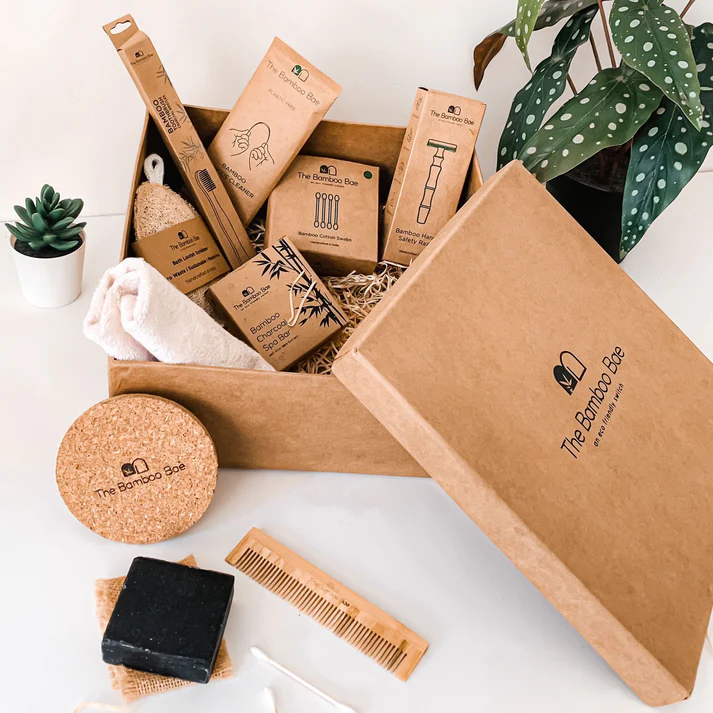
Such an approach promotes the replacement of plastic in everyday consumer use, and contributes to sustainable practices of consumption. The market is where the impact of renewable materials is both felt and assessed. Today, this market is flooded with cheap, mass-produced, imported single-use plastic alternatives; bamboo’s superiority to these materials must be established. This involves countering customer assumptions about the lifespan and hygiene of natural materials compared to standard synthetics. At the back end, production processes for such a unique material must be scaled without sacrificing the traditional, handmade quality guaranteed by the company’s biggest asset, its rural artisan network.
The Bamboo Bae values CSR partnerships as a means of efficient implementation of common sustainability goals. Corporates no longer simply place such goals on a checklist; they are now goals of core business operations. Adding renewable material to the equation helps companies to ensure more of their operations, processes, and facilities are eco-friendly. To take their partnership with American Express, the company works hand-in-hand with this corporate partner to design and manufacture custom, branded bamboo gifting solutions that completely replace single-use plastics. It is also affiliated to the DPIIT and the Startup India ecosystem, which allows an official stamp of innovation and regulatory validation for its sustainable product research and development.
Bamboo can make a great difference as a durable, eco-friendly material in many spheres. The work of The Bamboo Bae with this material began from traditional Indian artisanship, and has seamlessly moved to new market strategies and partnerships in the corporate world. Of particular interest is their collaboration with rural artisans, and their efforts to inject sustainability into every stage of their operations.
Building a sustainable future shouldn’t be a luxury reserved for a few; true impact happens when conscious choices are accessible to everyone. Our roadmap focuses on scaling intentional, eco-friendly product design while proving that premium quality, minimal aesthetics, and everyday affordability can seamlessly coexist. Supported by India’s thriving startup ecosystem, we are excited to expand our footprint, making green living an effortless standard for all, while ensuring our environmental impact shrinks at every step.
Find out more about The Bamboo Bae at their website