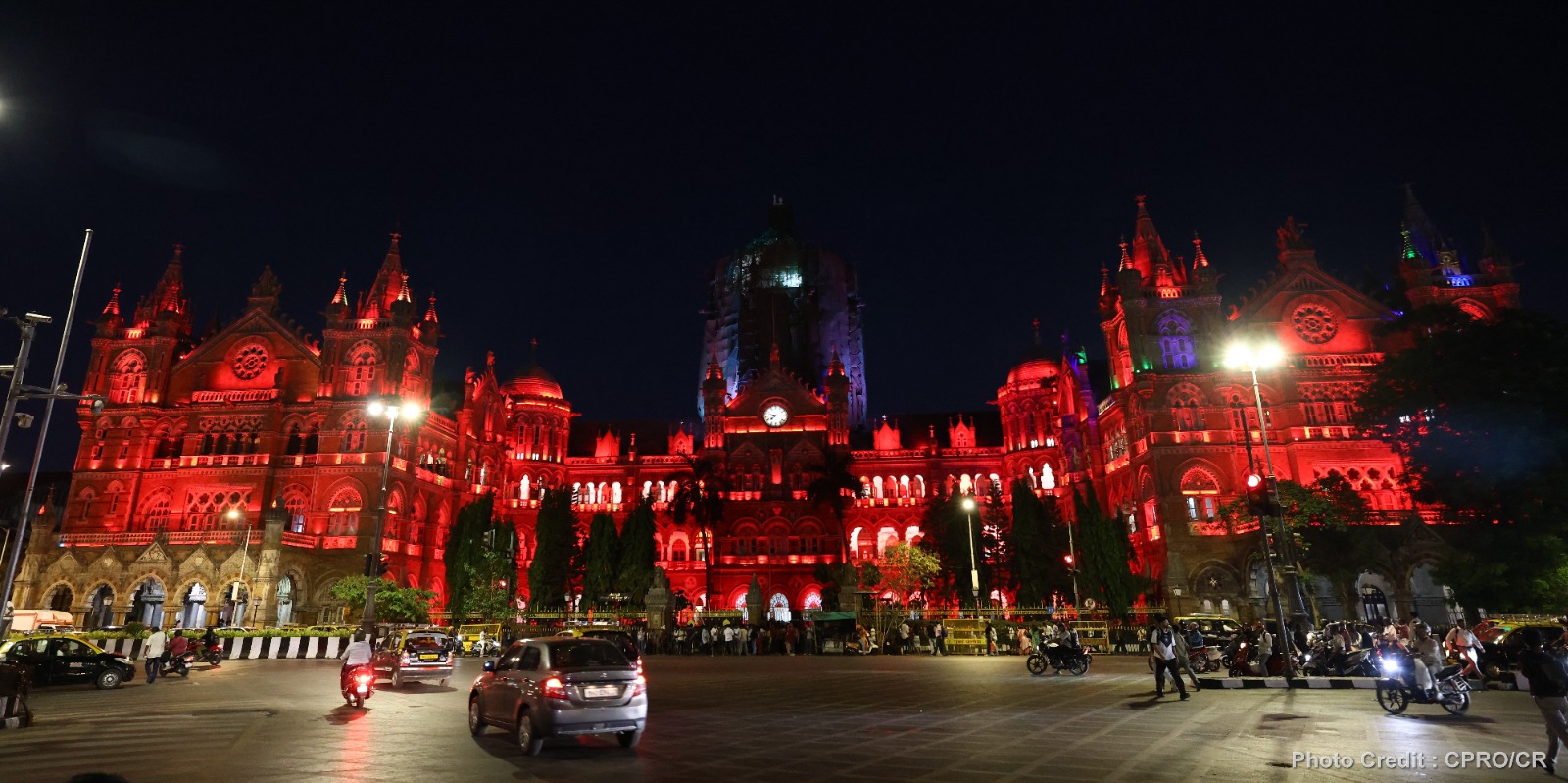
Mumbai’s iconic Chhatrapati Shivaji Maharaj Terminus (CSMT) heritage building was illuminated in red on 28 May to mark Menstrual Hygiene Day 2026 and amplify a powerful public message: “Menstrual Hygiene is a Right, not a Privilege.” Ujaas — an initiative of the Aditya Birla Education Trust founded by Advaitesha Birla — partnered with Central Railway, which has its headquarters at CSMT, to organize this event to raise awareness about menstrual health among Indian women.
Ujaas is an initiative by the Aditya Birla Education Trust that aims to create a positive change and empowerment in the space of menstrual health and hygiene management. Its head, Poonam Patkar, said on the occasion: “The collaboration between Ujaas and Central Railway reflects the importance of bringing menstrual health conversations into mainstream public spaces. Menstruation cannot continue to remain a conversation limited by silence, stigma, or discomfort. The Supreme Court’s recognition marks an important step toward acknowledging menstrual health as an issue of dignity, equality, and access. However, sustained progress will require continued efforts in awareness, education, and community engagement to ensure girls and women can manage menstruation safely and confidently.”
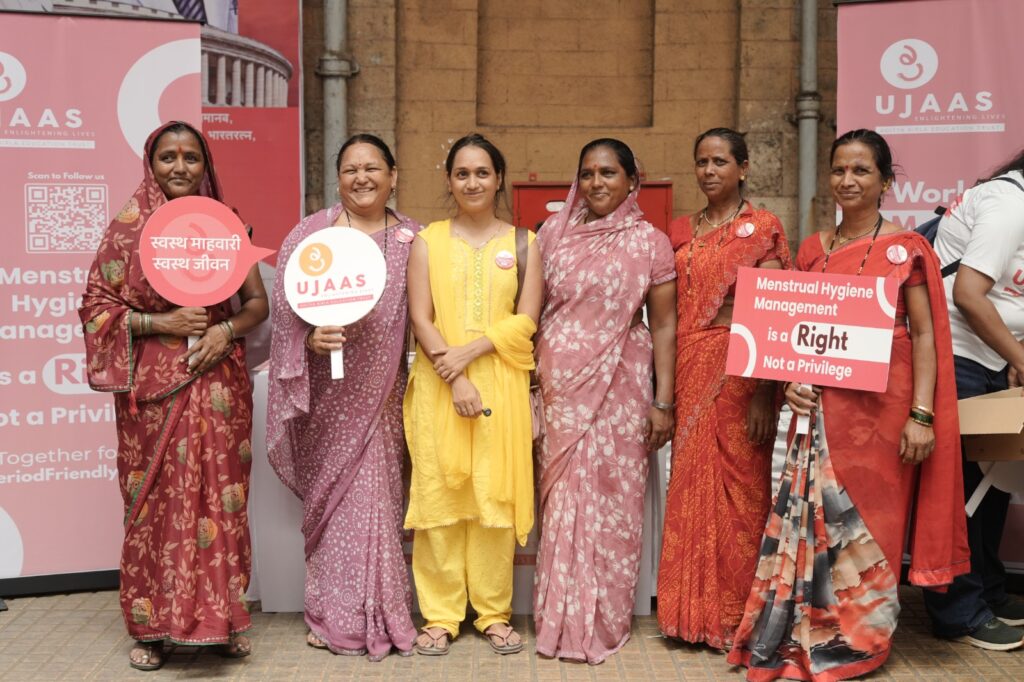
Few messages are as timely for our changing society: while India has made progress on this front, data indicate that nearly one in four young women in India still does not have access to hygienic menstrual methods. Menstruation related stigma and misinformation are common, and many adolescent girls even today are unaware of menstruation before experiencing their first period. These problems are often most tenacious within underserved communities and urban informal settlements in metropolitan cities. Research conducted in such communities has highlighted that school absenteeism during menstruation can reach close to 38%, reinforcing the need for sustained awareness and community engagement around menstrual health.
An environment where girls and women can easily access menstrual health assistance and facilities is one that ensures gender justice. Towards this end, Ujaas has distributed more than 4.8 million menstrual hygiene products across India, covering over 12 lakh beneficiaries. Programme assessments indicate improvements in menstrual health awareness have been achieved simply through such actions. Conversations around menstrual equity are evolving nationally, and are driven by efforts to build visibility and awareness; this spotlighting of the issue through a prominent landmark like CSMT is just such an effort.