Young Earth Heroes: Stakeholders’ Consultation on Heat Wave Action Plan
Background
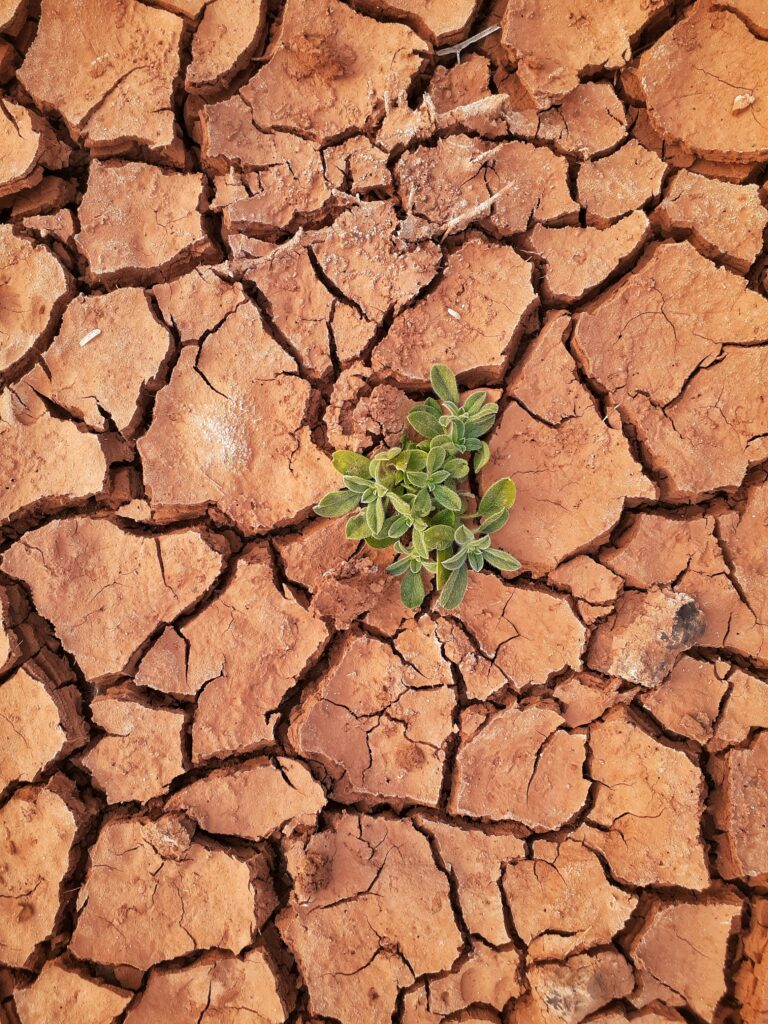
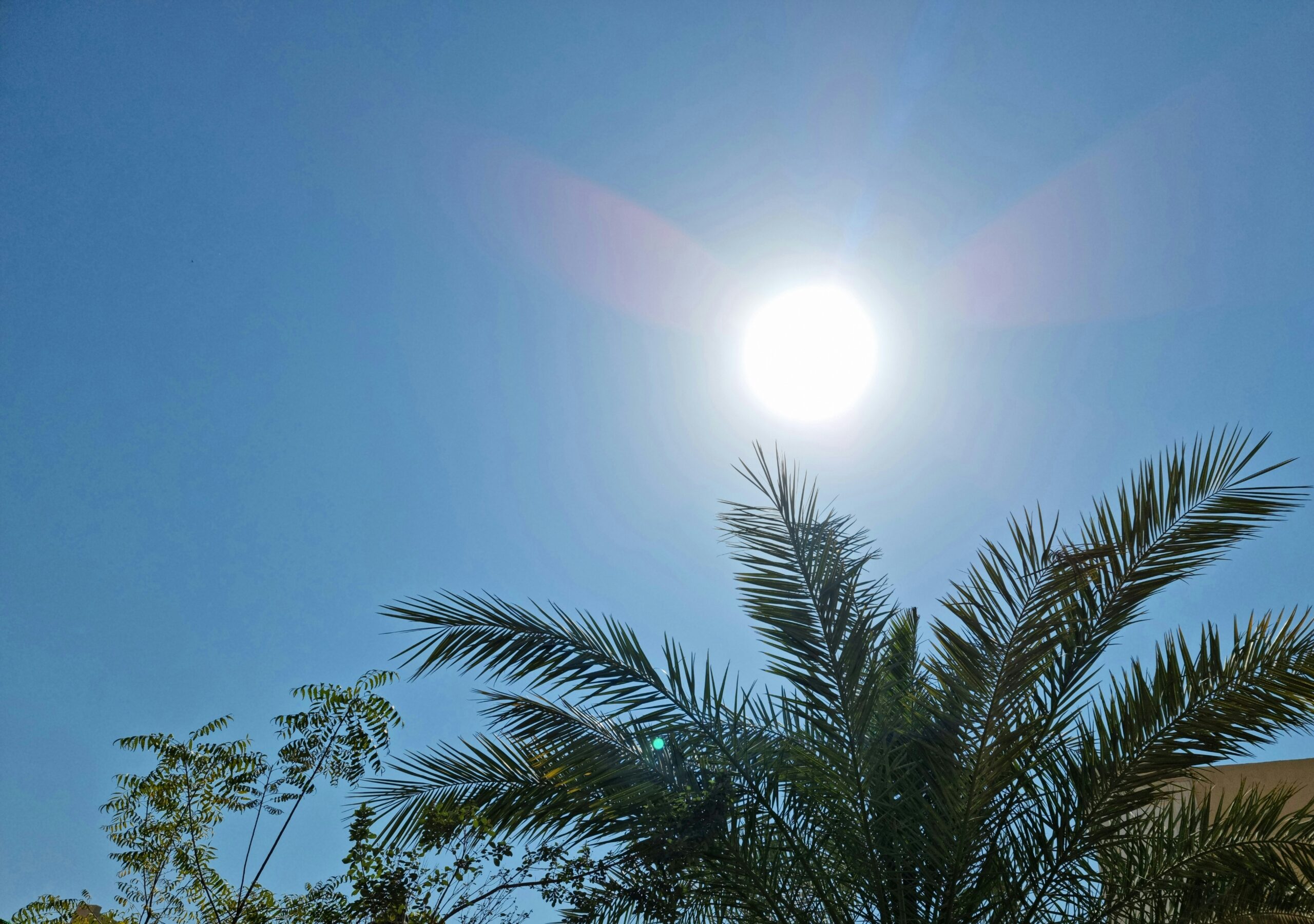
Delhi recorded temperatures above 45°C in May 2024, and 2025 was no different. Heat waves are becoming longer, more frequent, and more deadly. The Delhi Science Forum (DSF) identified this as a priority issue and initiated discussions around a structured city-wide campaign to address extreme heat and its public health consequences. CauseBecause came on board as a partner to collaborate, and thus was born the Beat the Heat campaign. The primary goal of this campaign is to build community-level heat resilience, particularly among school-going children and vulnerable urban populations.
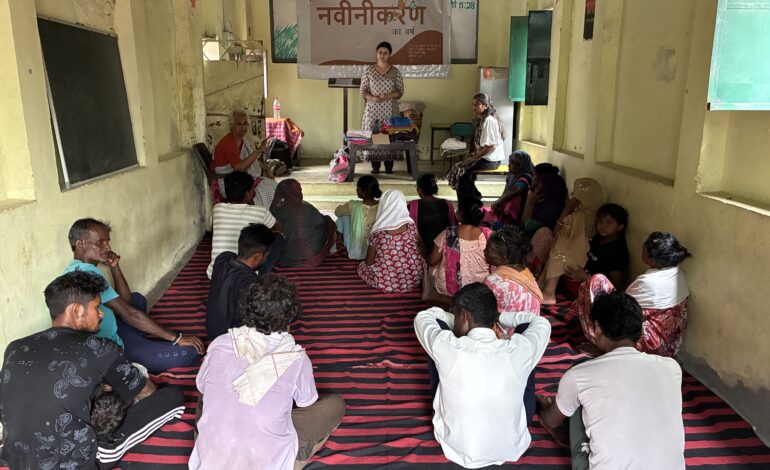
As a programmatic first step, CauseBecause organised a virtual consultation on the Heat Wave Action Plan for Delhi on 15 May 2026, in collaboration with DSF. The session was steered by Dr. Kamala Menon from DSF and was attended by principals, teachers, and students from schools across Delhi.
Siyona Munjal, Captain of the Young Earth Heroes (YEH) community, and Rayna Ranjan, Vice-Captain, also participated as student representatives. Both committed to mobilising their network of students, families, and schools, and to leading ground-level initiatives to support vulnerable groups.
Why Are Initiatives Like This Important?
The numbers are hard to ignore. India recorded over 40,000 heat-related deaths between 1992 and 2015, and experts believe this toll is significantly undercounted because heat is rarely listed as a direct cause of death on official records. In Delhi specifically, the urban heat island effect means the city regularly runs 3-5°C hotter than its surrounding rural areas; this heat is concentrated by concrete infrastructure, asphalt roads, shrinking green cover, and waste heat from the city’s ever-growing fleet of vehicles and air conditioners.
Climate change is exacerbating this problem. Heat waves in India are now arriving earlier in the season, lasting longer, and occurring more frequently than they did two decades ago. The 2022 heat wave, for instance, hit in March, months earlier than historically normal. Monsoon patterns are also becoming increasingly erratic, reducing their natural cooling relief that cities like Delhi have historically depended on.
The heat burden falls hardest on those with the least protection. Outdoor workers – street vendors, construction labourers, delivery workers – spend 8 to 10 hours a day in direct heat with little to no access to cooling or hydration infrastructure.
Youth engagement in this campaign is therefore not symbolic, it is strategic. Young people are both among the most affected populations and the most effective messengers for behavioral change within households and communities. Initiatives like Beat the Heat are designed to convert awareness into action, and action into systemic change.

What Was Discussed During the Consultation
The consultation covered six thematic areas: public awareness and heat resilience, school and community-based interventions, urban heat and climate science, youth engagement, communication strategies, and long-term policy advocacy. A few key points worth highlighting in this report:
Heat waves were consistently described by participants as “silent killers.” Students and teachers shared concerns about dehydration, headaches, breathlessness, skin allergies, and fatigue caused by prolonged heat exposure. Unlike floods or storms, heat damage accumulates invisibly, people don’t recognise they are in danger until they are already experiencing serious symptoms. Heat-related illness exists on a spectrum, from mild heat cramps and dehydration at one end to heat exhaustion and life-threatening heatstroke at the other.
A notable point raised was the over-reliance on air conditioning as a coping mechanism. Participants noted that setting ACs at very low temperatures, common in urban households and offices, is actually counterproductive. It reduces the body’s natural heat tolerance over time, increases electricity demand, and generates additional waste heat that raises outdoor temperatures further. Several countries including South Korea, Thailand, and Japan have introduced regulations capping AC temperatures to address this at a policy level.
The consultation produced a fairly concrete set of recommendations, which we’ve grouped into three levels for clarity:
Individual- and household level-measures: Hydration was the most consistently raised point; the solution is regular water intake throughout the day, not just when thirsty, along with consumption of potassium-rich foods like bananas to support electrolyte balance and using traditional clay pots for storing and cooling drinking water (a zero-energy solution that is both effective and locally accessible) Participants recommended wearing breathable cotton clothing and head coverings to reduce heat absorption, and avoiding outdoor physical activity between 12 p.m. and 4 p.m. when temperatures peak. On AC use, the recommended setting is 27-30°C, enough to provide relief without eliminating heat tolerance entirely. This should be coupled with safe outdoor exposure to build heat tolerance.
School- and community-level measures: Several low-cost, high-impact infrastructure interventions were proposed. These included installing shade nets in school corridors, waiting areas, and bus pickup points; setting up community cooling shelters at markets and transport hubs equipped with drinking water stations, clay-based cooling systems, and basic first aid; and introducing heat-friendly school uniforms. Schools were specifically asked to conduct heat mapping exercises across their campuses to identify the hottest and coolest zones and use that data to adjust timetables, activity schedules, and infrastructure planning. Community groups must be encouraged to create shaded public spaces and advocate for free public park access during extreme heat conditions.
Advocacy and policy change: Participants were unanimous on the point that community-level action alone is insufficient. Long-term heat resilience in a city like Delhi requires structural change – expansion of urban green cover, reduced dependence on private vehicles, investment in public transport, and elimination of waste burning practices that raise local temperatures further. These will counter the effects of urban heat islands. The cooling shelter infrastructure currently being proposed for communities also needs to be formalised and funded by the government to be sustainable beyond one summer.
Action Items Going Forward
A set of responsibilities was agreed upon at the close of the consultation:
1. Dr. Kamala Menon will provide heat awareness posters in English and Hindi to schools in both digital and printed formats, and will encourage students to draft petitions and write articles on heat shelters and waste burning.
2. Team CauseBecause will coordinate at least one school or community-level heat mitigation initiative per participating school, circulate these minutes, and organise a follow-up review meeting approximately two weeks after the consultation.
3. Schools and teachers will conduct heat mapping exercises, install shading solutions, and share heat safety guidelines with students and parents.
4. YEH student members will lead awareness drives, petition campaigns, and community outreach programmes. An example of such a programme: upcycling drives to produce head coverings for outdoor workers.