The fourth edition of the scholarship programme will support up to 250 new students from economically weaker sections, with financial assistance covering the five-year MBBS course.
For many students, getting into medical college is only the beginning. Tuition fees, books, equipment, a laptop and everyday expenses can add another financial barrier to completing the degree.
The Max Healthcare Foundation is expanding its medical scholarship programme this year to address some of those costs, increasing its annual intake from 100 students to up to 250.
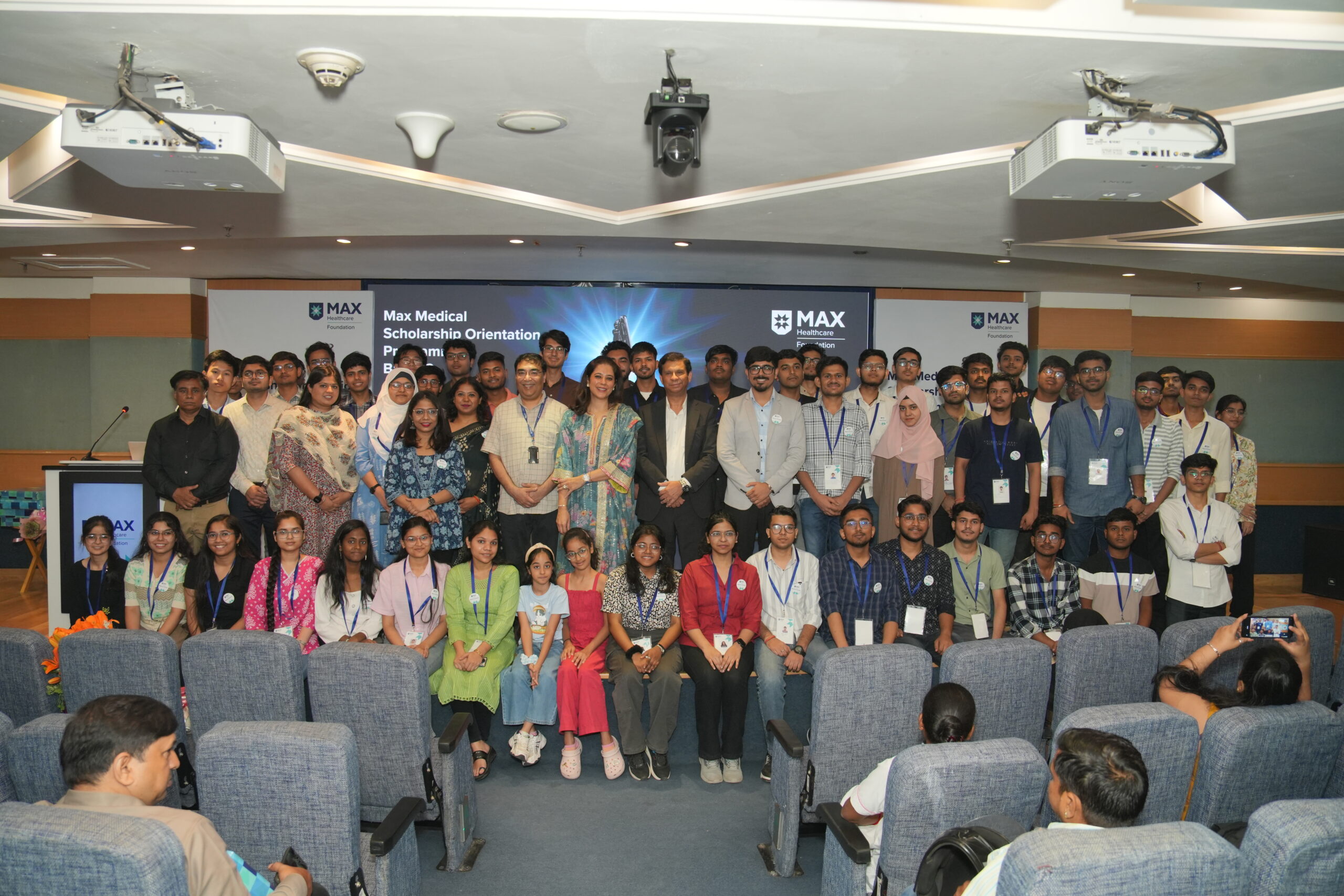
Now in its fourth year, the Max Medical Scholarship Programme will support students from economically weaker sections who have qualified for NEET and secured admission to MBBS programmes in government medical colleges across Delhi NCR, Mumbai, Nagpur, Lucknow, Mohali, Dehradun, Bathinda and Bhubaneswar for the 2026–27 academic year.
The support is designed to continue throughout the five-year MBBS course. According to the Foundation, selected students will receive assistance towards tuition fees, along with a laptop, textbooks, medical equipment such as a stethoscope and dissection kit, and a monthly allowance. Mentorship opportunities are also part of the programme.
The expansion also comes with a continuation of support for students selected in earlier editions. The Foundation says students from previous years who are now in their second, third and fourth years of medical education will continue to receive funding.
The programme has supported 245 students over its first three years, according to the Foundation. With up to 250 new students being added this year, the initiative is increasing the number of students entering the programme while maintaining support for earlier cohorts.
Applications for the 2026–27 scholarship opened on September 16 and will remain open until October 4, 2026. The selection process includes application review, shortlisting, interviews and verification of documents, with socio-economic criteria and NEET rank forming part of the assessment.
The programme points to a wider issue in professional education: getting through an entrance examination does not necessarily remove the financial barriers that can follow admission. For students from lower-income households, the cost of completing a medical degree can stretch well beyond tuition.
By covering several of those expenses over the full duration of the course, the Max Medical Scholarship is structured around continuity rather than a one-time educational grant. Its longer-term impact, however, will ultimately be measured by how students progress through medical school and into the profession.
For the 2026–27 intake, the immediate question is more straightforward: how many of the 250 available scholarships reach students for whom financial support could determine whether an MBBS seat is financially sustainable.